The true cost of vandalism in public restrooms
Introduction: a problem far more costly than it appears
In parks, trails, downtown areas, and sports facilities, public restrooms are essential.
Yet they are often a major operational challenge for municipal teams.
Vandalism, in particular, is not merely an aesthetic nuisance.
It is an economic, operational, and safety issue that places significant pressure on public budgets—and it is consistently underestimated.
Visible repairs represent only the tip of the iceberg. Indirect losses—repeated closures, overtime, emergency interventions, and negative public perception—multiply the real cost.
In this context, Urben Blu takes a fundamentally different approach: designing public restrooms that eliminate opportunities for vandalism before they occur.
The real cost of vandalism: far more than “fixing a door”
1. Direct costs
Each year, cities spend thousands of dollars on repairs such as:
- Forced doors
- Broken locks
- Vandalized light fixtures
- Recurrent graffiti
- Damaged mechanisms
- Torn-out faucets
- Damaged panels
Typical cost ranges:
- Minor repair: $300–$700
- Major intervention: $2,000–$10,000
- Full refurbishment: $20,000 and more
The more fragile the restroom, the more frequently these costs repeat.
2. Indirect costs (the real budget drivers)
This is where the true cost lies. Vandalism leads to:
- Emergency closures
- Loss of service to citizens
- Increased complaints
- Repeated municipal interventions
- Premature deterioration of the building
- More frequent police patrols
- Damage to the city’s image
Over a 10-year period, a traditional restroom can cost five to ten times its initial price in repairs and interventions alone.
3. Impact on city image
A vandalized restroom sends a clear message:
➡️ “This space is neither monitored nor maintained.”
This undermines:
- Perceived safety
- Park usage
- The experience of families and visitors
A single neglected facility can affect an entire area.
Why some public restrooms are almost always vandalized
Most traditional public restrooms share structural vulnerabilities.
1. Fragile materials
Drywall, hollow-core doors, residential locks, exposed fixtures—
a vandal can cause significant damage in under a minute.
By contrast, Urben Blu uses:
- Ultra-high-performance fiber-reinforced concrete walls and floors
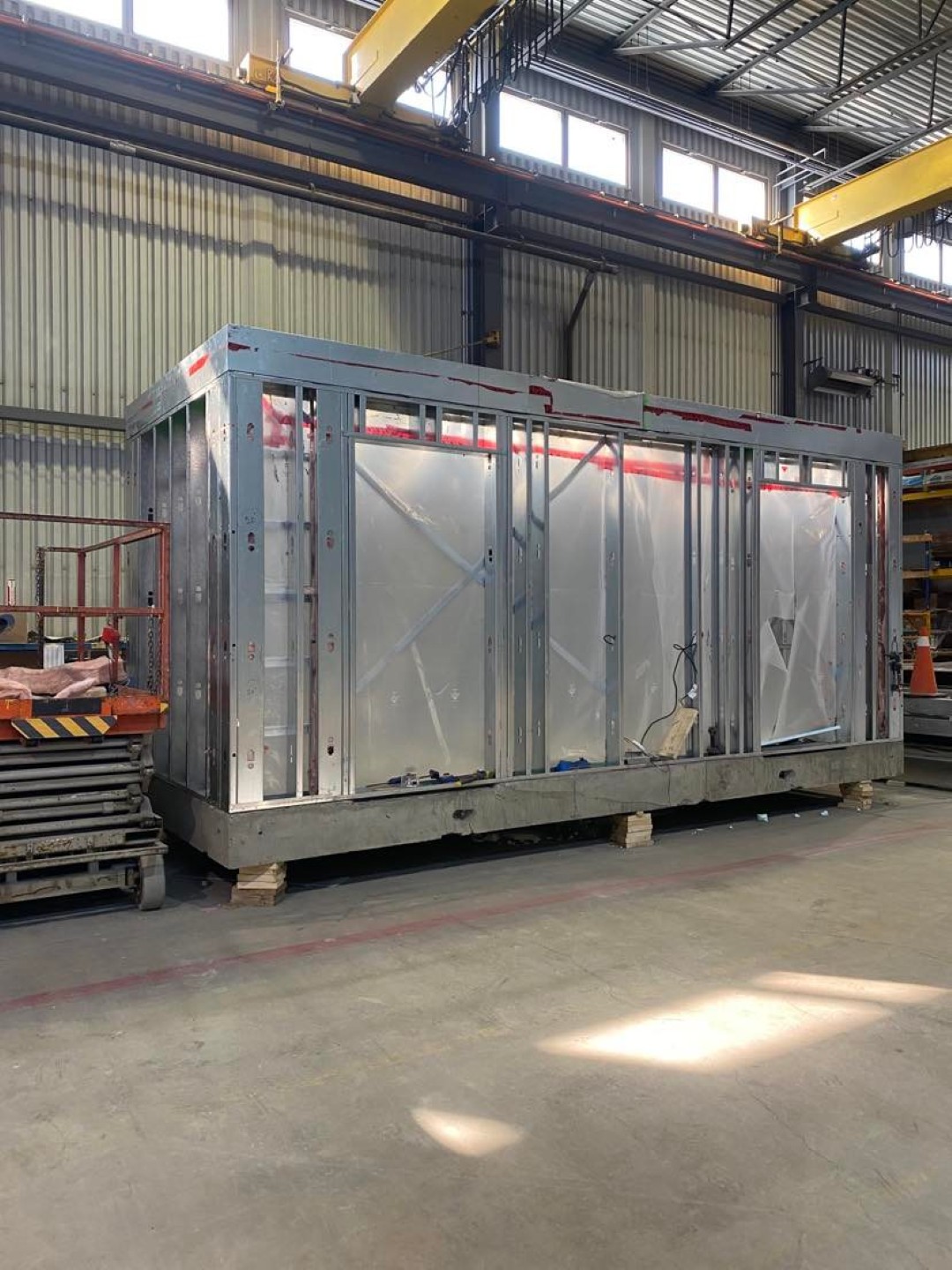
- A self-supporting galvanized steel structure
- Anti-vandal stainless steel accessories
- Anti-graffiti exterior finishes
2. Access to internal components
In conventional models, vandals can reach:
- Pipes
- Wiring
- Switches
- Tanks
- Mechanical panels
Even a minor failure can result in costly damage. Urben Blu eliminates this risk through:
➡️ a separate, locked mechanical room, code-compliant and accessible only to authorized personnel.
3. Lack of natural surveillance
Opaque, dark, or isolated restrooms create ideal conditions for risky behavior.
Urben Blu applies CPTED principles:
- Visibility from surrounding areas
- Adequate lighting
- Design that reduces blind spots
- Light-reflective surfaces
Clear signage
4. Insufficient manual cleaning
Dirty restrooms attract more vandalism—a well-documented phenomenon.
Urben Blu addresses this through:
- Automated cleaning cycles
- Continuous disinfection
- Automatic drying
- Controlled odors
A clean restroom becomes a respected restroom.
How Urben Blu reduces vandalism by up to 90% (field data)
Here are the key elements that make the difference:
1. Robust monocoque steel structure
At its core, Urben Blu is built as a permanent structure:
- Galvanized steel frame
- UHP concrete interior walls and floor
- No user-accessible moving parts
- Anti-graffiti treated exterior surfaces
- Anti-vandal fasteners
- Ultra-durable white PVC membrane roof
Result:
- No fragile surfaces
- No removable components
- Nothing that can be torn out or broken
2. Separate mechanical room
A unique innovation in North America.
The mechanical room houses:
- Heating systems (radiant floor and forced air)
- ENERGY STAR® HRV ventilation
- Electrical panels
- Plumbing
- Cleaning products
- Control computer
The public never has access. Costly damage becomes virtually impossible.
3. Self-cleaning system
Each use triggers a programmed cycle:
- Automatic washing
- Dispensing of BLU Clean antibacterial product
- Disinfection
- Seat drying
- Forced ventilation
This ensures:
- Consistent cleanliness
- Significant odor reduction
- A major decrease in risky behaviors
4. Passive surveillance through design
Urben Blu creates an environment where the restroom “monitors itself”:
- Automatic LED lighting
- Increased exterior visibility
- Limited occupancy duration (automatic unlocking after 20 minutes)
- Email alerts in case of anomalies
- Astronomical clock for exterior lighting
- Usage statistics and cycle tracking
5. Durability and rapid replacement
All technical components are modular:
- Easy to replace
- Simple maintenance
- Reduced costs
- Standardized parts
- 3-year warranty on parts and labor
- 10-year warranty on the structure
Result: a restroom with a service life of 20 to 30 years, even in demanding environments.
Conclusion: vandalism is not inevitable
Municipalities often assume vandalism is unavoidable.
It is not.
The solution is straightforward: design infrastructure to prevent vandalism rather than react to it after the fact.
That approach changes everything.